At Challenge Hub, we help you reach your full potential by improving your workout and training environment.
Several athletes focus on their nutrition, training, and recovery, but often overlook their environment. However, it plays a vital role in long-term health and performance.
Athletes may face hidden environmental risks that can slow their progress. These risks might not be obvious, but they can have a significant impact, making it essential to stay informed.
In this article, we’ll discuss five hidden environmental threats that could be delaying your training.
Unseen Training Risks in Your Environment
Here are the five unseen training risks in your environment:
-
Asbestos Exposure in Older Training Spaces
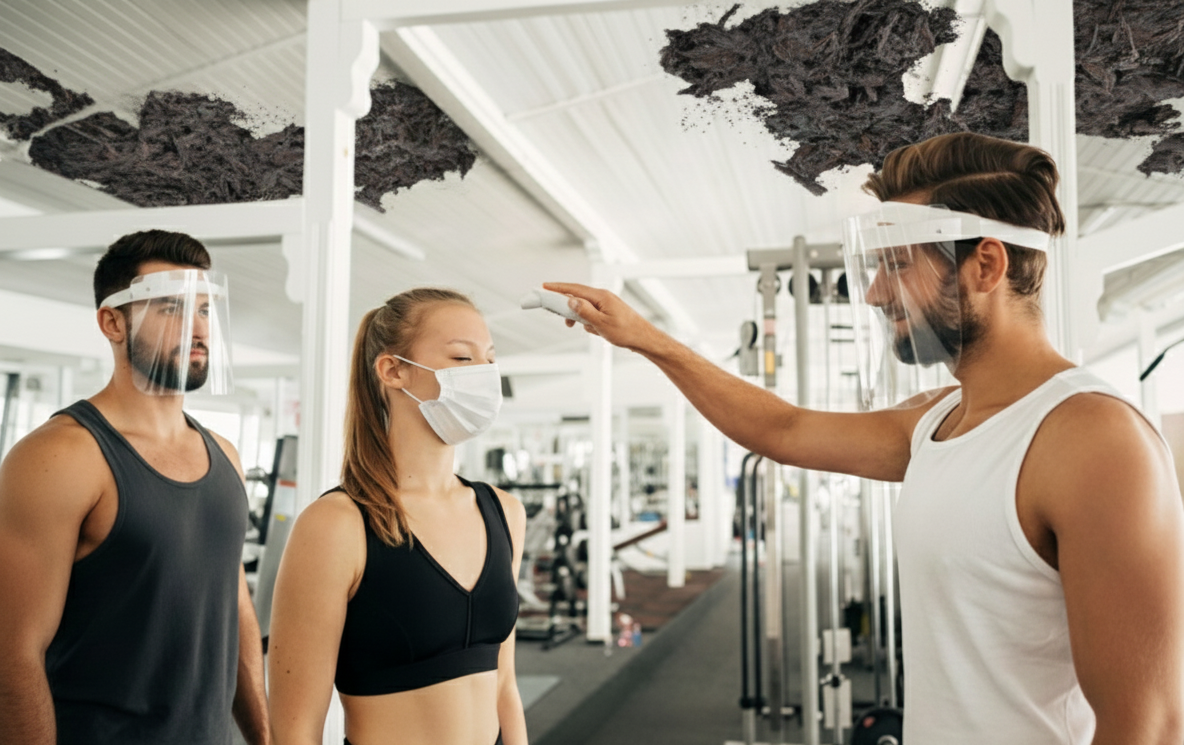
Asbestos is an unexpected environmental hazard found in many traditional gyms, sports centres, and educational buildings across the UK.
The UK Health and Safety Executive (HSE) reports about 5,000 deaths each year due to asbestos. Those who train in places built before 2000 are at a high risk of exposure, especially if their gym or community centre has not been renovated or even tested for asbestos.
Asbestos is still present in more than 1.5 million UK buildings, including older sports halls, boxing gyms, school facilities and indoor courts. Although banned in 1999, many structures built before that date used asbestos in ceilings, insulation, and floor tiles; all materials that degrade over time.
One of the biggest challenges with asbestos is that you cannot see it, smell it, or confirm it without proper testing,” says a specialist at Advance Asbestos Removal. “We still find asbestos in ceilings, insulation boards and old floor tiles in buildings across the South East; including gyms, halls and community centres built before 2000. When those materials break down, fibres can become airborne, and that is where the health risk begins.”
-
Poor Air Quality
The air quality in your training space can directly affect your breathing, stamina, and overall performance. In gyms and fitness centres, poor ventilation or high levels of dust and pollutants can make it harder for you to train effectively.
As per MDPI, indoor exercise can increase levels of indoor air pollutants. For example, carbon dioxide (CO₂) often exceeds 1000 ppm, and particulate matter levels increase during workouts in poorly ventilated spaces in the UK. This means you are breathing more deeply as these pollutants accumulate, raising your exposure to harmful particles and gases. This may reduce your lung capacity.
Regular exercise has many health benefits, but long-term exposure to air pollution during exercise can reduce these benefits and harm lung function, mainly among more vulnerable people.
Signs of bad air quality include feeling tired, having headaches, coughing, or struggling to breathe during workout. Long-term exposure to polluted air can reduce lung capacity and endurance, making it challenging to perform at your best.
It’s essential for people who spend a lot of time in gyms to prioritise good ventilation and air filtration. Check that your gym has enough airflow, especially if it has few windows or is in an older building without modern heating and cooling systems.
Clean air is crucial for staying focused, improving performance, and enhancing overall health.
-
Overcrowded or Poorly Lit Spaces
Exercising in small or poorly lit areas can lower your focus, energy, and the quality of your workout. A crowded gym can be distracting and pose safety risks, like equipment accidents.
Poor lighting can also affect your workout experience. Studies show that good lighting can raise energy, focus, and motivation during exercise. In dimly lit areas, it becomes harder to pay attention, which can harm both your performance and your mood.
Poor lighting raises the chances of slips, trips, and eye strain, which can cause injuries or make it hard to focus during workouts.
If your gym feels too small or dark, suggest improvements to the management. Attempt working out during less busy times. If you train at home, improving your lighting and organising your space can make your workouts more effective.
-
Noise Pollution
Noise during training can hurt your focus and performance. Sound from machines, loud music, or conversations with other gym-goers can disrupt your focus and increase stress.
Research indicates that being in noisy places for a long time can lead to more stress and anxiety, and it may even lower your motivation. During workouts, this can lead to increased fatigue and reduced focus, potentially resulting in poorer performance as time goes on.
To improve your training, work out when it’s quieter or use noise-cancelling headphones for a calmer setting. If you exercise at home, lower the background noise or create a distraction-free space to help you focus better.
-
Temperature Extremes
The climate where you train affects how well you perform. Exercising in extreme heat or cold can make it harder for your body to reach your fitness goals.
In warm weather, your body has to work harder to cool down. This can make you tire instantly and increase the risk of dehydration or heat-related health problems. In cold conditions, your muscles may tighten, blood flow can slow down, and you might feel joint pain.
To perform your best, try to train in a comfortable temperature. A hot room can lead to overheating, while a cold space can make your muscles stiff and slow down recovery. If you work out at a gym, ask about how they control the temperature. For home workouts, adjust the thermostat to a comfortable setting or change your workout clothes if needed.
Conclusion
Environmental factors can often be ignored, but they have a big impact on your training, health, and performance. It’s crucial to identify hidden risks, such as asbestos, poor air quality, poor lighting, loud noise, and extreme temperatures. By recognising these risks, you can reduce their effects on your workouts.
Your workout environment should support your progress. Whether you want to improve the conditions in your gym or create a safe, comfortable space at home, focusing on where you train is just as important as the exercises you do.
Start today. Make small changes to your environment to improve your performance. Focus on air quality, lighting, and noise levels. Each improvement helps you succeed.